

Optimize Energy Consumption with Pattern Analysis
Transform raw energy data into actionable efficiency insights. Identify consumption patterns, forecast demand, optimize renewable integration, and reduce energy costs with AI-powered analytics that turns meter data into strategic advantage.
Turn Energy Data Into Cost Savings
Energy consumption pattern analysis reveals how facilities, equipment, and systems use power over time. By identifying trends, anomalies, and optimization opportunities hidden in meter data, organizations can reduce costs, improve efficiency, and support sustainability goals. This analysis is essential for everything from industrial energy management to renewable energy integration.
Traditional energy monitoring provides raw numbers—kilowatt-hours consumed, peak demand charges, utility bills. Pattern analysis goes deeper, uncovering why consumption occurs, predicting future demand, identifying inefficient equipment, and quantifying savings from efficiency improvements. It transforms reactive energy management into proactive optimization.
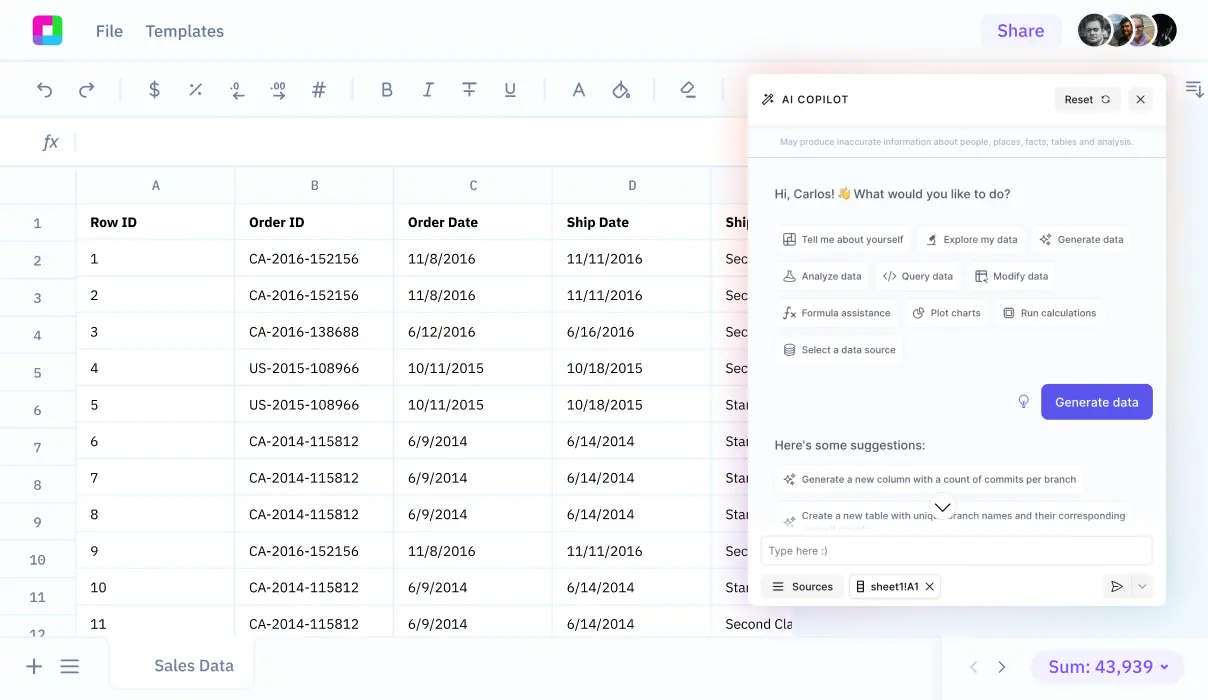
Sourcetable's AI-powered platform makes sophisticated energy analysis accessible. Import data from smart meters, building management systems, or utility bills, then use natural language to ask questions about consumption patterns, efficiency opportunities, and cost reduction strategies. Complex analysis that once required specialized software and expertise now happens in minutes.
Why Energy Pattern Analysis Matters
Energy Pattern Analysis Matters
Reduce Energy Costs
Identify peak demand periods that trigger expensive utility charges. Shift loads to off-peak times, implement demand response strategies, and quantify savings from efficiency improvements. Many organizations reduce energy costs 15-30% through pattern-based optimization.
Detect Equipment Inefficiencies
Abnormal consumption patterns signal equipment problems before they cause failures. Identify HVAC systems running overnight, motors drawing excessive power, or refrigeration units losing efficiency. Catch issues early when repairs are cheaper.
Optimize Renewable Energy Integration
Match renewable energy generation patterns (solar production curves, wind availability) with consumption patterns to maximize self-consumption. Size battery storage appropriately, determine optimal solar array capacity, and predict grid independence potential.
Forecast Energy Demand
Predict future consumption based on historical patterns, weather forecasts, and operational schedules. Accurate forecasting enables better purchasing in deregulated markets, optimizes distributed generation dispatch, and supports capacity planning.
Energy Pattern Analysis Applications
Real-world applications and use cases
Industrial Energy Management
Analyze production facility consumption by time of day, day of week, and production volume. Identify opportunities to shift non-critical loads to off-peak hours, optimize compressed air systems, and reduce demand charges through load management.
Commercial Building Optimization
Track HVAC, lighting, and plug load patterns in office buildings and retail spaces. Identify systems running during unoccupied hours, optimize temperature setpoints based on occupancy patterns, and quantify energy waste from poor controls.
Renewable Energy Sizing
Match solar production curves with facility consumption patterns to determine optimal array size and orientation. Model battery storage requirements to maximize self-consumption and minimize grid dependence. Calculate payback periods for different system configurations.
Utility Demand Response
Identify flexible loads that can be curtailed during peak pricing periods. Analyze historical patterns to predict demand response event days, calculate potential incentive earnings, and develop automated curtailment strategies.
Energy Pattern Analysis Workflow in Sourcetable
Step-by-step workflow guide
Import Energy Data
Connect to smart meters, building management systems, or upload utility bills and interval data. Sourcetable handles various formats—15-minute intervals, hourly reads, monthly summaries—and automatically structures the data for analysis.
Identify Consumption Patterns
AI automatically detects daily cycles, weekly patterns, seasonal trends, and anomalies in your energy data. Visualize consumption by hour of day, day of week, or month of year to understand your energy profile.
Analyze Peak Demand
Identify when and why peak demand occurs. Examine the 15-minute intervals that trigger demand charges, understand which equipment or processes drive peaks, and model load-shifting strategies to reduce charges.
Detect Anomalies and Waste
Find consumption during unoccupied hours, identify equipment running inefficiently, and spot unusual patterns that signal problems. AI flags significant deviations from expected consumption for investigation.
Key Energy Analysis Techniques
Load Profile Analysis
Load profiles show how consumption varies throughout the day and across seasons. Typical commercial buildings show peaks during business hours, with lower baseloads overnight. Industrial facilities may run 24/7 with relatively flat profiles. Understanding your load shape reveals optimization opportunities specific to your operation.
Peak Demand Management
For customers on demand-based rates, monthly peak demand (typically the highest 15-minute average) can represent 30-70% of total electricity costs. Peak demand analysis identifies when peaks occur, which equipment drives them, and strategies to reduce them through load shedding, thermal storage, or operational changes.
Energy Regression Modeling
Regression analysis quantifies relationships between energy consumption and driving factors like temperature, production volume, or occupancy. These models enable accurate forecasting, normalization of consumption for fair comparisons, and measurement of energy savings independent of changing conditions.
Baseline Establishment
A baseline represents typical consumption under standard conditions before efficiency improvements. Properly established baselines are essential for measuring project savings, verifying performance in energy savings contracts, and tracking progress toward efficiency targets.
Time-of-Use Optimization
When electricity prices vary by time of day (time-of-use rates), shifting consumption from expensive peak periods to cheaper off-peak times generates savings. Analysis identifies which loads are flexible, quantifies potential savings, and optimizes scheduling.
Renewable Energy Correlation
Overlaying solar generation curves or wind production patterns with consumption profiles reveals self-consumption potential. This analysis determines optimal system sizing, identifies when grid import/export occurs, and calculates true economic value of distributed generation.
Proven Energy Optimization Strategies
Load Shifting and Scheduling
Move flexible loads—ice-making, water heating, battery charging, non-time-critical manufacturing—to off-peak periods when electricity is cheaper and demand charges aren't triggered. Even modest load shifting (10-15% of total consumption) can generate significant savings on demand-based rates.
Eliminate Baseload Waste
Consumption during unoccupied periods (nights, weekends) represents pure waste for many facilities. Pattern analysis identifies excessive baseload, points to specific equipment running unnecessarily, and quantifies savings from better controls or scheduling.
Optimize HVAC Operations
HVAC typically represents 30-50% of commercial building energy use. Pattern analysis reveals opportunities for setback schedules, optimal start/stop times, economizer use, and temperature adjustments that maintain comfort while reducing consumption.
Implement Demand Response
Utilities and grid operators pay customers to reduce consumption during peak events. Pattern analysis identifies which loads can be curtailed with minimal operational impact, estimates incentive earnings, and helps develop automated response strategies.
Right-Size Equipment
Oversized equipment runs inefficiently at partial load. Pattern analysis reveals whether equipment capacity matches actual load requirements, enabling right-sizing decisions during replacements or identifying candidates for variable speed drives.
Strategic Energy Storage
Battery storage can shift consumption from expensive peak periods to cheap off-peak times, provide backup power, and maximize self-consumption of solar energy. Pattern analysis determines optimal storage capacity and charging/discharging strategies for maximum economic benefit.
Frequently Asked Questions
What data do I need for energy pattern analysis?
At minimum, you need time-series consumption data (kilowatt-hours over time). Interval data (15-minute or hourly) provides richer insights than monthly totals. Additional useful data includes weather conditions, production volumes, occupancy schedules, and equipment operating logs. Sourcetable works with any format—utility bills, smart meter exports, building management system data, or IoT sensor feeds.
How much energy data history do I need?
For basic pattern identification, 3-6 months of data reveals daily and weekly cycles. For seasonal analysis and accurate forecasting, 1-2 years is ideal. However, you can start analyzing immediately with any data you have—early insights often reveal quick wins worth investigating, and your analysis improves as more data accumulates.
Can I analyze multiple facilities or meters together?
Yes, Sourcetable excels at multi-site analysis. Compare consumption patterns across facilities to identify best performers, benchmark energy intensity, and replicate successful efficiency strategies. Aggregate meters for portfolio-level views or drill down to individual buildings, circuits, or equipment for detailed analysis.
How do I account for weather in energy analysis?
Weather significantly impacts energy consumption, especially for heating and cooling. Sourcetable can integrate weather data automatically, enabling temperature normalization, heating/cooling degree day analysis, and weather-adjusted forecasting. This ensures fair comparisons between periods and accurate measurement of efficiency improvements.
What's the typical ROI from energy pattern analysis?
Organizations commonly achieve 10-30% energy cost reductions through pattern-based optimization. ROI depends on current energy intensity, utility rate structures, and implementation of identified opportunities. Even simple improvements like fixing after-hours consumption, optimizing schedules, or reducing peak demand often pay for analysis efforts within months.
Can this analysis support ISO 50001 or other certifications?
Yes, energy pattern analysis provides the foundation for ISO 50001 energy management systems and similar frameworks. Sourcetable helps establish baselines, identify significant energy uses, calculate energy performance indicators, track improvement progress, and generate reports required for certification and ongoing compliance.
Related Analysis Guides
Connect your most-used data sources and tools to Sourcetable for seamless analysis.
Frequently Asked Questions
If your question is not covered here, you can contact our team.
Contact UsHow do I analyze data?
What data sources are supported?
What data science tools are available?
Can I analyze spreadsheets with multiple tabs?
Can I generate data visualizations?
What is the maximum file size?
Is this free?
Is there a discount for students, professors, or teachers?
Is Sourcetable programmable?

Ready to Reduce Energy Costs?
Join energy managers and sustainability professionals using pattern analysis to optimize consumption and achieve efficiency goals. Start analyzing energy data with AI today.